User login

baking

Top Tips to Improve Your Baking

Written by Amy Green of Simply Sugar & Gluten-Free.


Photo courtesy Simply Sugar & Gluten-Free

If you’re like me, you want your baked goods to look bakery perfect. No exceptions. I don’t always achieve that lofty goal but since taking Fundamentals of Baking in culinary school I have a better understanding of how the ingredients work together – or fight each other. Here are my top tops to help improve the sweets that come out of your oven.

10 Simple Ways to Bake Healthier

Written by Amy Green of Simply Sugar & Gluten-Free.
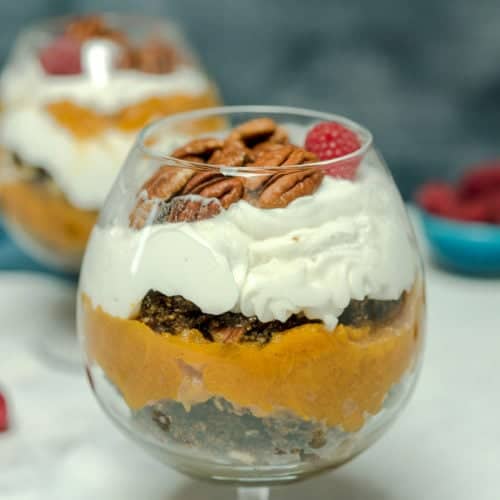
Photo of BlueberryTiramisu from Simply Sugar & Gluten-Free.

Eating healthier is the latest buzz. And it’s not just because summer is here and we all want to look great in a bathing suit. With Jamie Oliver’s Food Revolution sweeping worldwide and America’s increasing obesity problems, it’s clear that there is a need to eat healthier.

I know how it feels to be labeled obese. At 5’ 5” I tipped the scale at more than 180 pounds. With some basic changes to how I eat and live, I’ve been able to maintain a 60+ pound weight loss. I couldn’t be more grateful.

Baking good food is part of my soul, though, and I had to reconcile ‘healthier’ and ‘really good food.’

Healthier food has a bad rap. Maybe rightly so.

The Kitchen Laboratory: The Art of Making Carbon Dioxide

Written by Natalie of Gluten A Go Go.

Making beautiful and flavorful food is the goal of every baker and cook. For baked goods that involves creating carbon dioxide, which is odorless and also colorless. In your kitchen you’ll find carbon dioxide in carbonated beverages, candy, beer or wine and in your breads or cookies. Carbon dioxide is what makes the pockets that give our baked goods their light and airy texture.

To get carbon dioxide into your baked goods you need to use a leavening agent. These agents can be chemical or natural in nature. The common chemical agents are cream of tartar, baking powder and baking soda.

Playing With Alternative Flours

Written by Natalie of Gluten A Go Go.

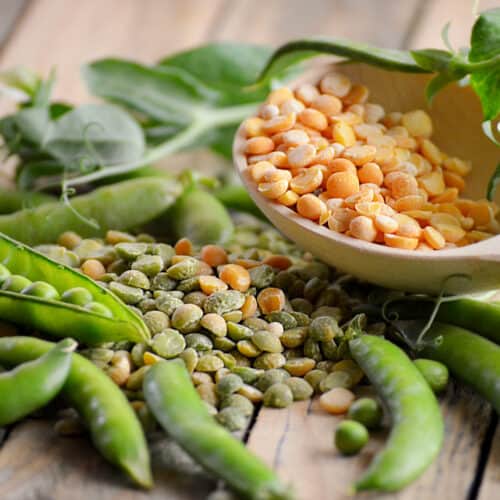
Baking or cooking with alternative flours, all of which are naturally gluten free, can expand the range of flavors, textures and nutrition to your food. All flours have a unique taste that can enhance or subtly change the flavor of your recipe. Some flours have a shy taste and others are bold enough to hijack your food. Another consideration when using these flours is their texture. Some starches or flours have a powdery texture and can billow around when you try to use them, while others have a slightly fibrous texture. Additionally, many alternative flours can have a significant impact on the nutritional quality of your food. For example, there isn’t much of any nutritional value to tapioca starch, while lentil and bean flours can add protein. Nut meals can add a wide variety of nutrients from protein and calcium to magnesium and more.

Adventures in Gluten Free Baking

Written by Natalie of Gluten a go go.

My kitchen has become a coveted rodent party palace. Who would’ve thought I’d need to keep mouse traps going year round? Or scour my pantry for signs of mini mammal nocturnal visitations every morning? If I have to purge my pantry and sanitize it one more time, I swear I’ll give into some primal scream therapy…oh, wait…I did that already.

Guess what made me so popular amongst the local rodentia? It isn’t my little garden, not my dog’s big bag of lamb kibble and not my bags of various types of sugars. No, it’s all because we had to go gluten free. Huh?! What has that got to do with anything you ask? Well, it’s all because of the grains I collected; sorghum, millet, amaranth and quinoa. Not to mention the buckwheat, corn, rice and sweet potato.

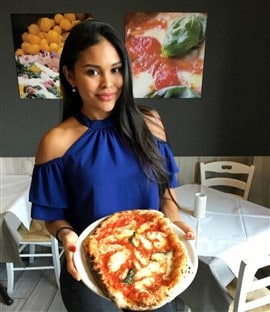
Have you ever been to a pizzeria and seen the person at the counter working the pizza dough? They knead the dough a little with their hands next they stretch it out and then flip the dough up in the air and let it spin a little, stretching out the disc of dough. Gluten is what holds the dough together as it is worked and spun in the air.
Pizza is problematic for the person with celiac disease, gluten sensitivity or intolerance and certain grain allergies. Since these people can’t tolerate gluten or wheat, they will need to find another way to hold their baked goods together, rather than gluten, as well as finding other flours to use.

Christmas in Italy

Written by Agostina of Pane, burro e marmellata!.

In Italy, Christmas time begins in the first week of December, when you can see all the shops with a new look, the streets are more enlightens and, above all, the people have got a more happy and kind mind.

On the 8th of December, the Immaculate’s Day, we make the Presepe (crèche, in english) - that represent the night that Jesus born in Bethlehem - and then it can be a miniature with the Holy Family, an ox, a little donkey, the Angel, the Comet and the Magi or it can be also a big representation with a country of papier – mache or cork, a little lake with a fountain, the shepherds with their little sheeps, some typical characters (as, for example, fishermans, an old woman that spins the wool, musicians, angels, etc.) - and / or the Christmas Three.

All the month until the 6th January, there are poor people that go house to house, piping Christmas songs and ask for a charity.

Christmas is a great moment for all…

A Sweet Gluten Free Holiday

Researched and Written by Natalie of Gluten a Go Go.

This holiday season share love and joy with a bounty of gluten free sweets and treats. Our Alternative Gluten Free Daring Bakers have a wealth of baked goods to make your every holiday event wonderful. There are cookies and bars for a holiday cookie exchange or cakes and pies for your special gatherings or breads for your morning breakfast.

The Evolution of an Obsessed Baker

Written by Valerina of Une Gamine dans la Cuisine

Is it normal to have dreams about a world filled with lemon ricotta cheesecakes covered in waterfalls of dark chocolate ganache? And rivers of smooth, cashmere caramel filled with salted macadamia stepping stones? Or better yet, trees that bloom plump hazelnuts stuffed with Nutella and peanut butter rum balls? If not, then I am happy to consider myself abnormal! However, I do have a valid excuse for this 'condition'.

I grew up in a rather sweet restricted household. My father was French and we moved to the U.S. when I was about five years old. Homemade yogurt topped with strawberries, a small wedge of a pear tart with cheese, or a tiny pieces of plain dark chocolate were considered dessert. I am not complaining about the quality of any of those selections. But during school lunches my chopped apples or mashed bananas and cream looked so boring compared to all the Little Debbie snacks and animal crackers.

Alternative Flours -- There's Room for More Than Just All-Purpose in Your Kitchen

Written by Michele of Veggie Num Nums

Up until 18 months ago, the only flour you’d find in my cupboard was the very basics—all-purpose, bread, and cake flours. Even though I did a lot of cooking and baking, I rarely strayed from these three. Since I’ve started blogging, and reading blogs, and doing research in cookbooks and nutritional books, I’ve become an alternative flour devotee. There are literally dozens of flours available made from grains other than wheat, and also from things other than grains. The reasons for using non-wheat flours are many, and in an article of this length I can only touch on the basics. But, I do hope to inspire you to experiment with different flours in your cooking and baking.

Teaching Your Children to Cook

Written by Molly of Molly Loves Paris


The idea for writing about teaching children to cook came from Corey, daughter #3, who works for a housewares store that sells a great deal of cooking equipment and she is very aware of how ignorant many cooks can be. She is also known as the clerk with the answers. And if she doesn’t know the answer she calls her Mom.

Syndicate content