New Recipes
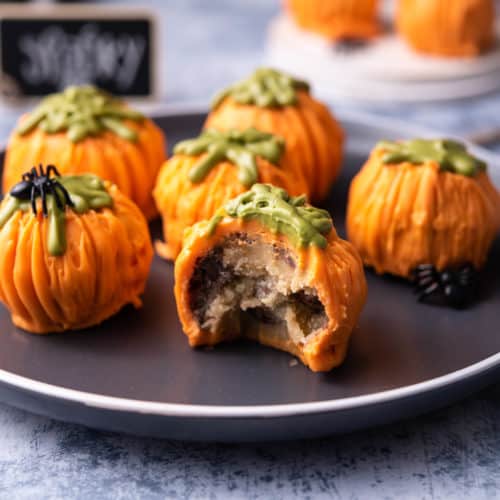
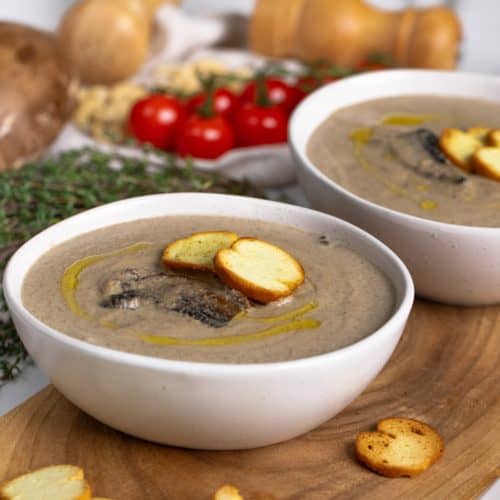
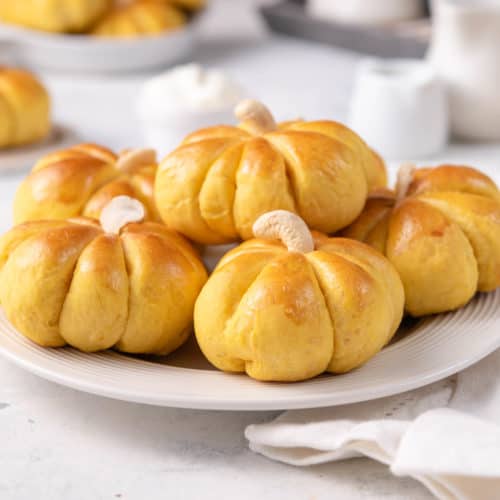
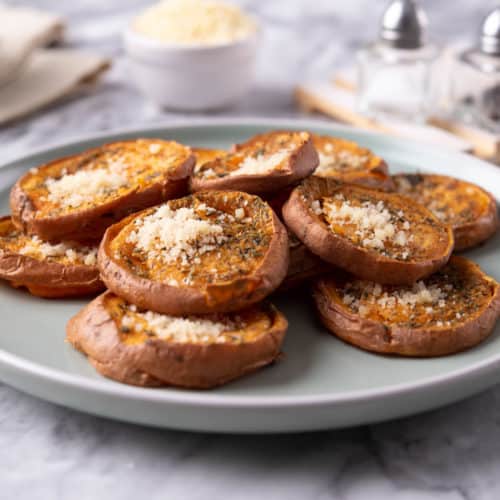
See more all recipes →
Product Reviews
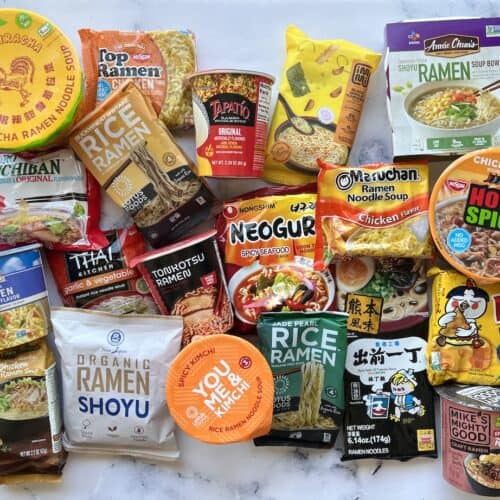
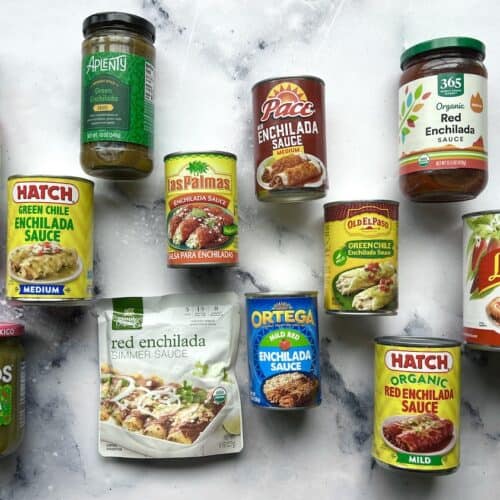
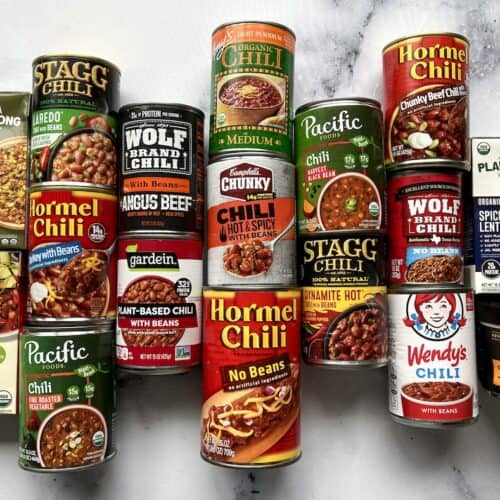
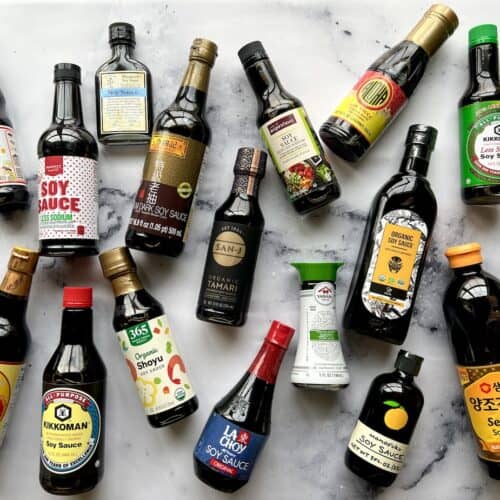
These are food products we have tested and recommend
See more product reviews →

About Ligia Lugo
I love experiencing new cultures through foods and it shows in my travels. When I'm at home I try cooking healthy but love blending dishes I've learned with fresh local ingredients.
How To
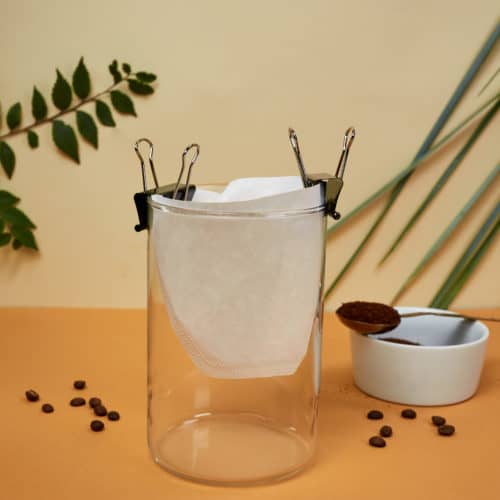
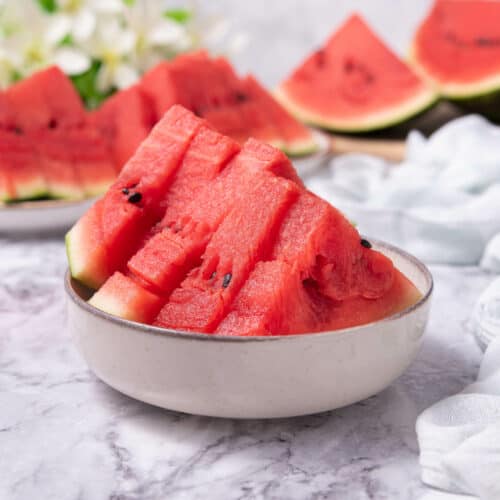
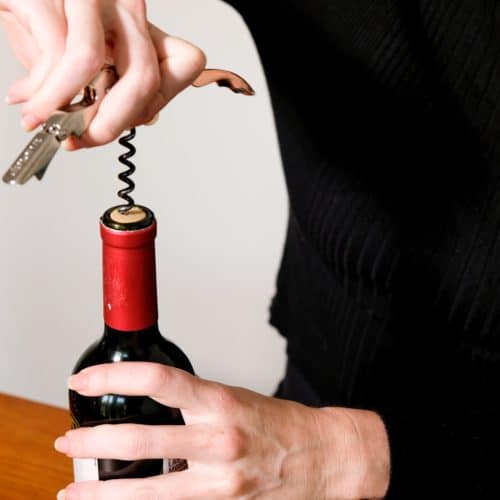
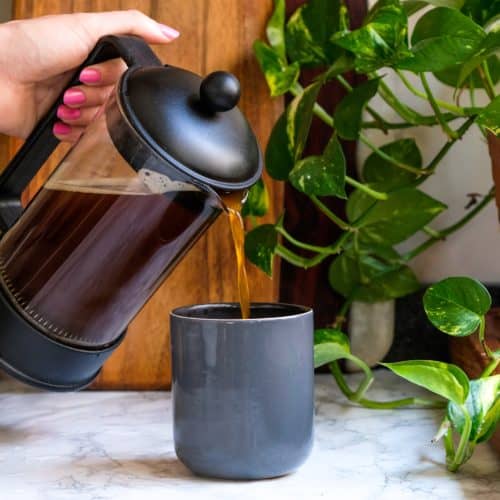
These are guides we've created to teach you how to do various tasks in your kitchen.
See more how to guides →
Main Course
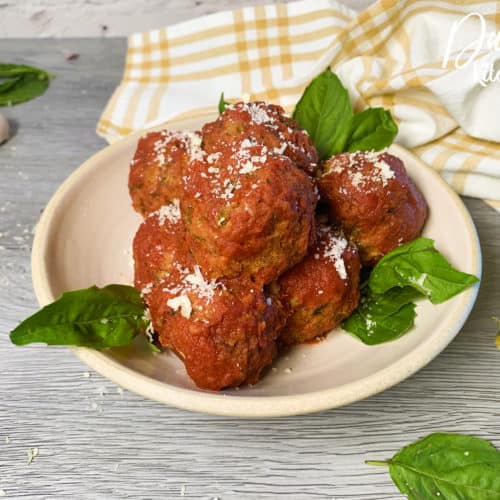
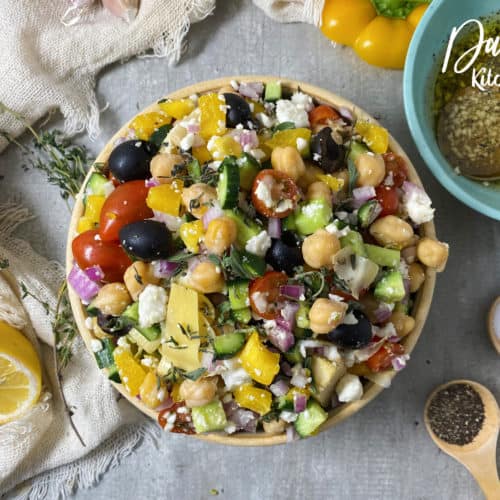
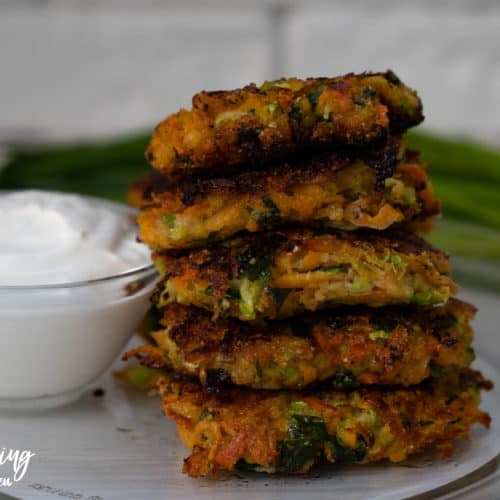
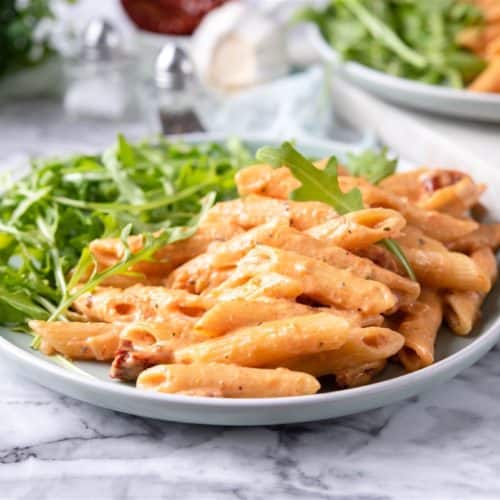
See more main dishes →
Breakfast Recipes
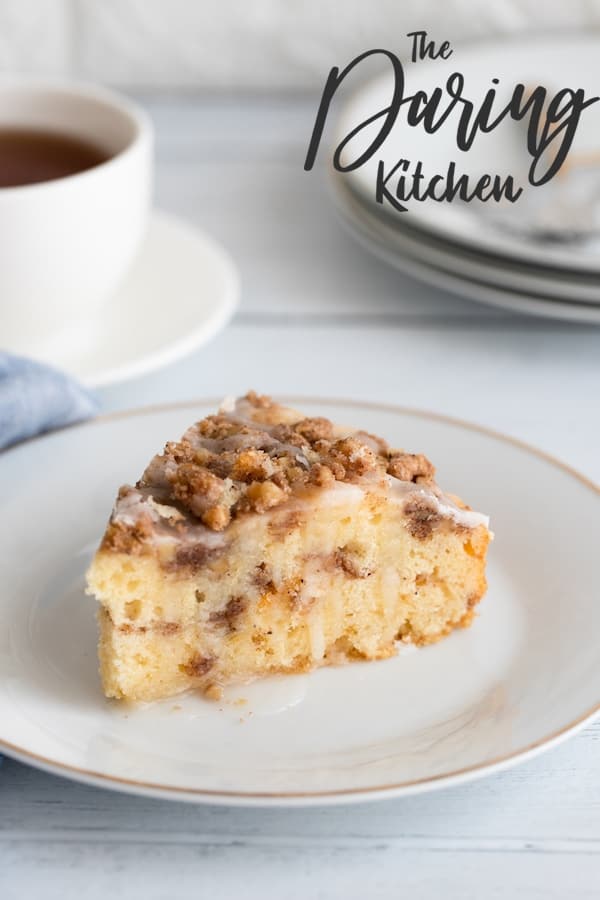
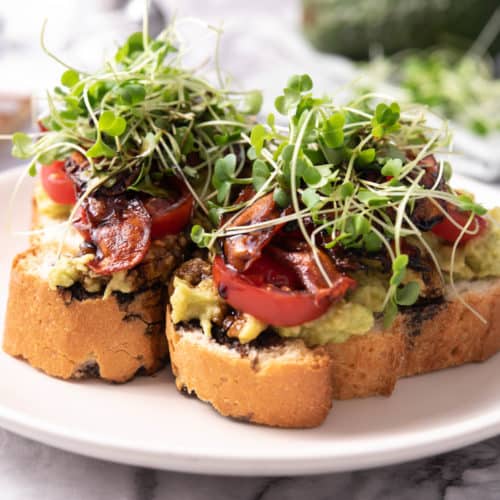
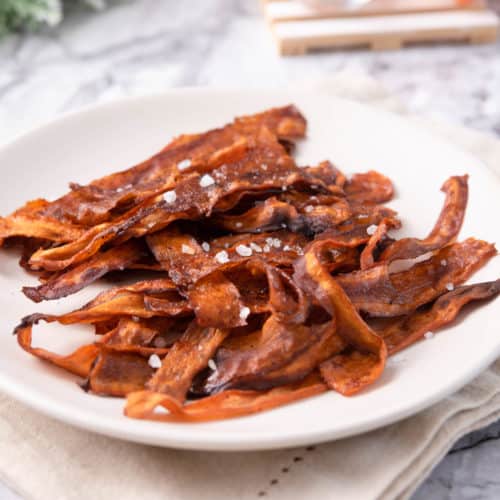
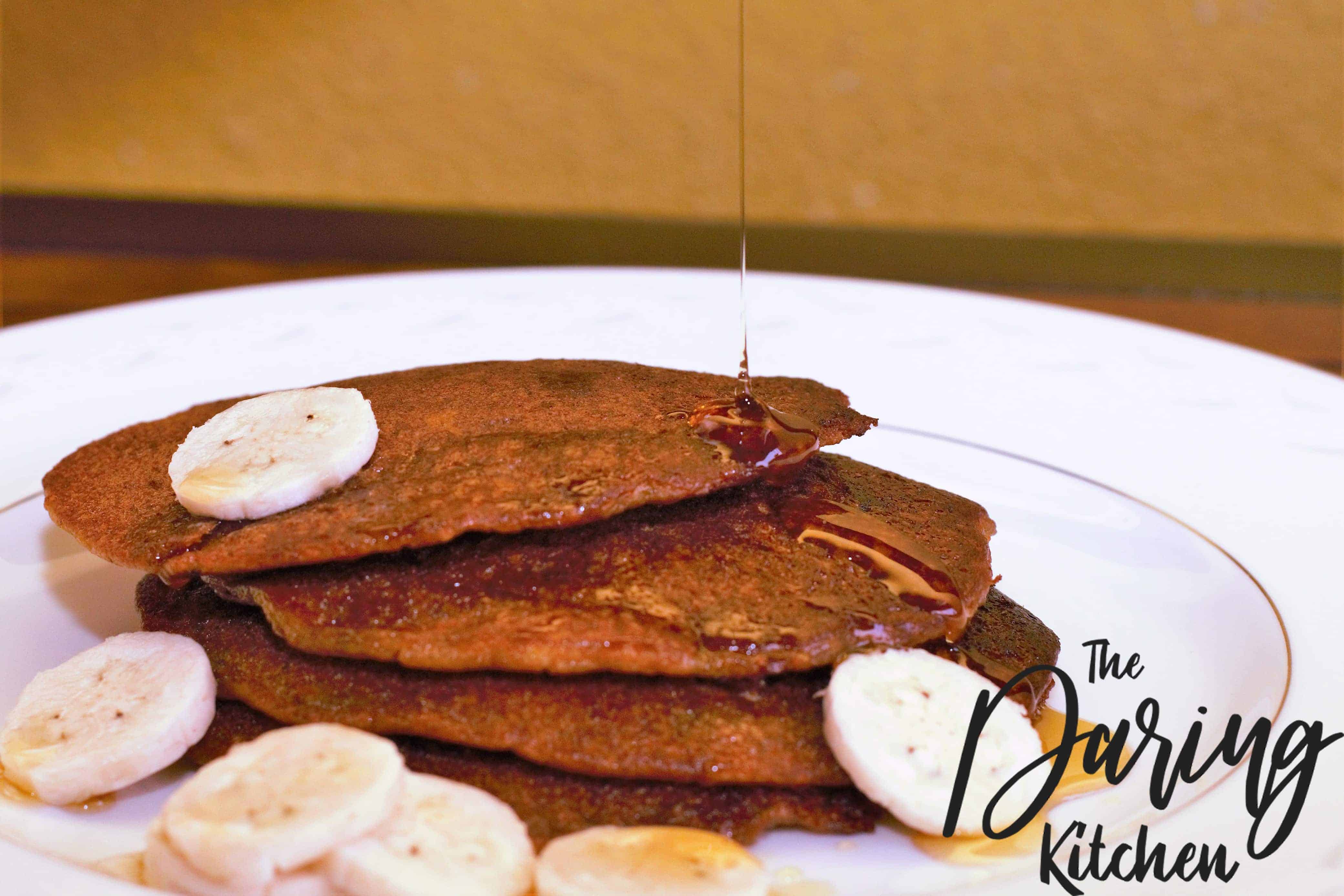
See more breakfast recipes →
Side Dishes
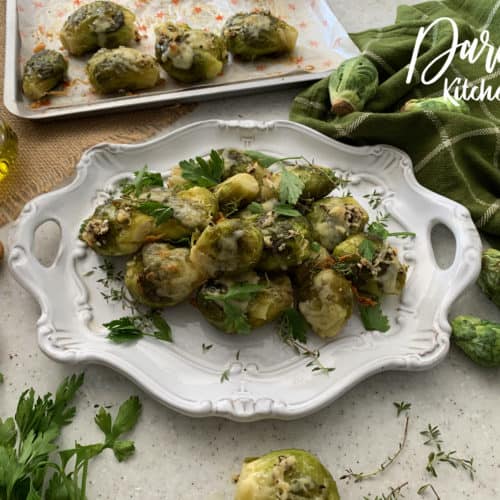
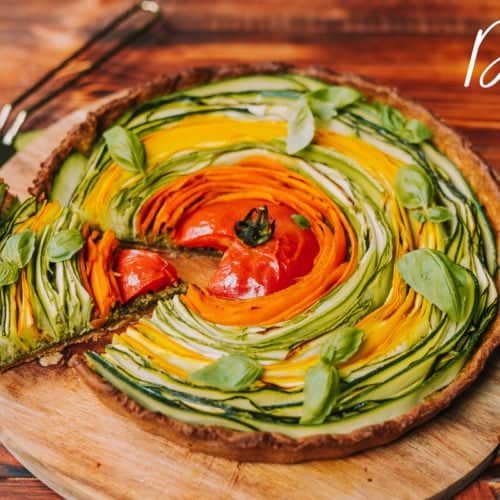
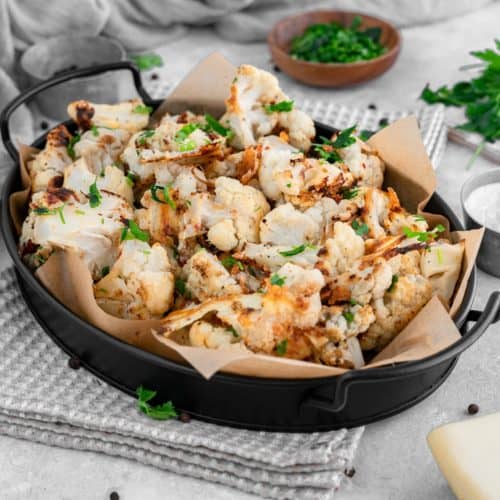
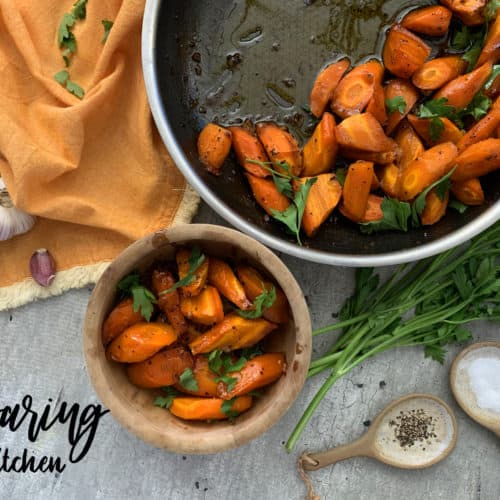
See more side dishes →
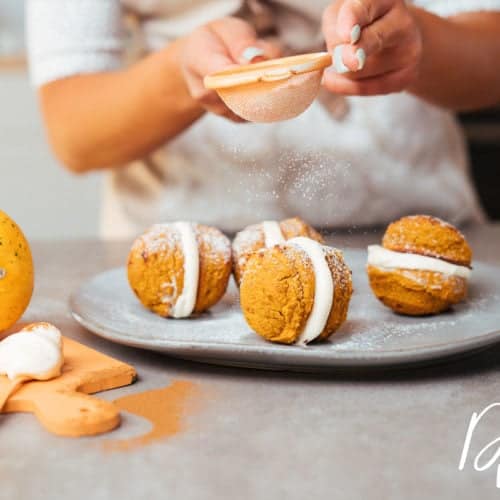
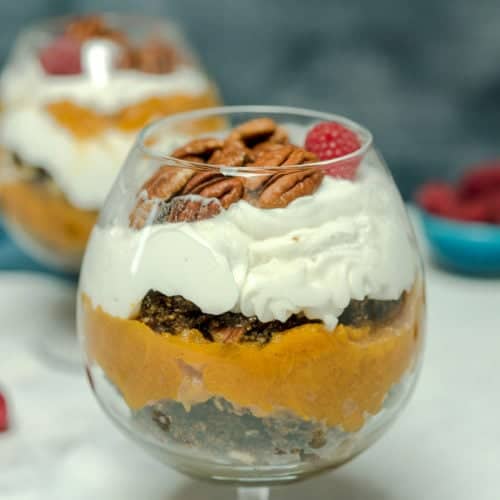
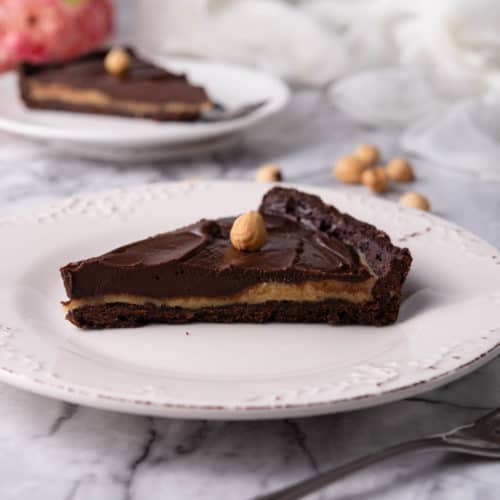
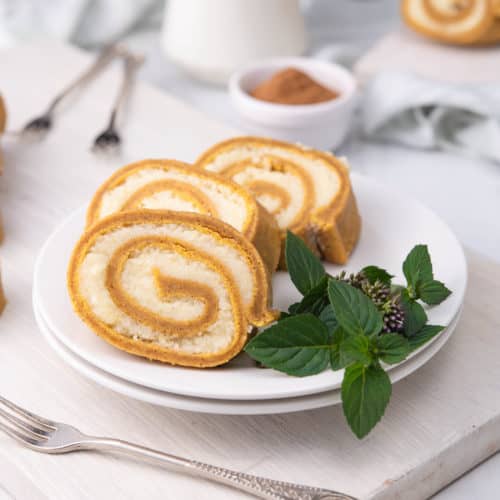
Dessert Recipes
See more dessert recipes →
Food Substitutes
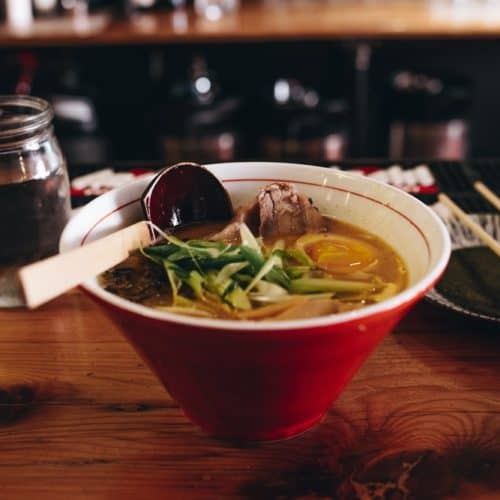
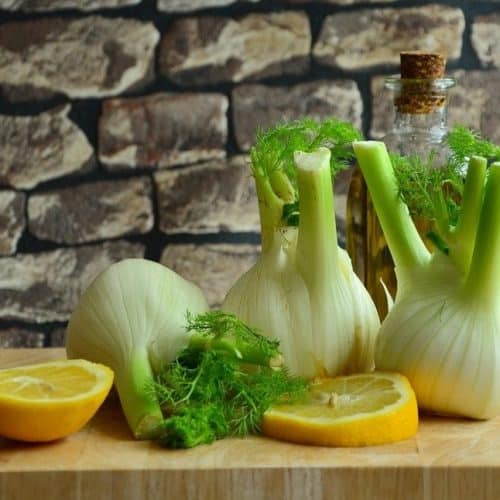
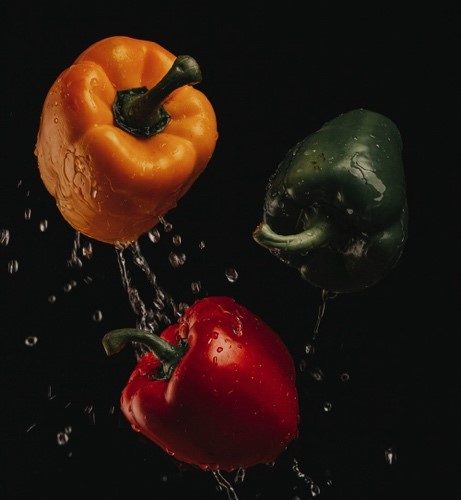
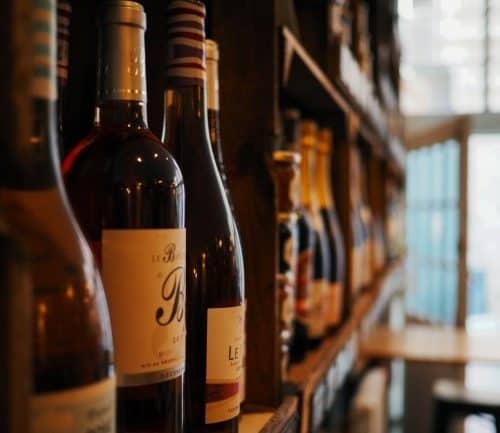
Sometimes you're missing an ingredient and need something to swap with. You have you covered with recommended food substitutes.
See more food substitutes →
Beverage Recipes
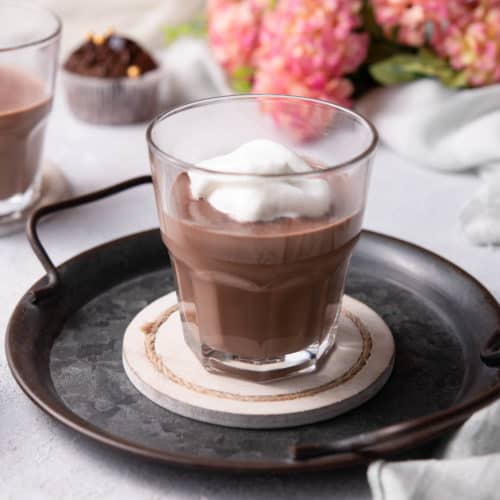
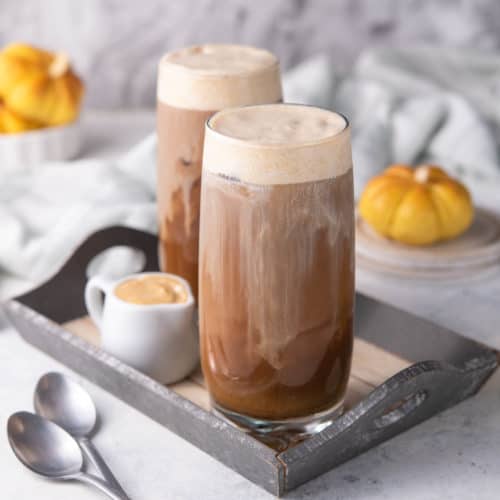
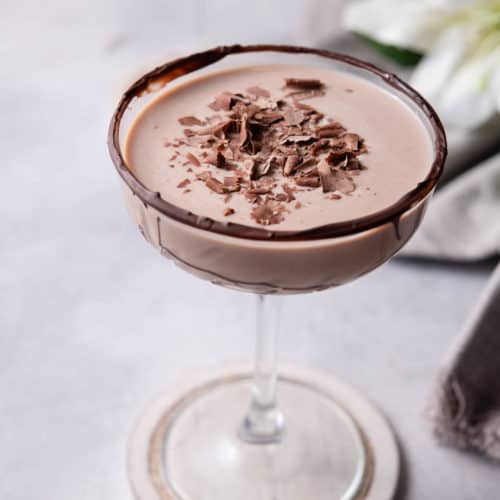
See more beverage recipes →
This vs That
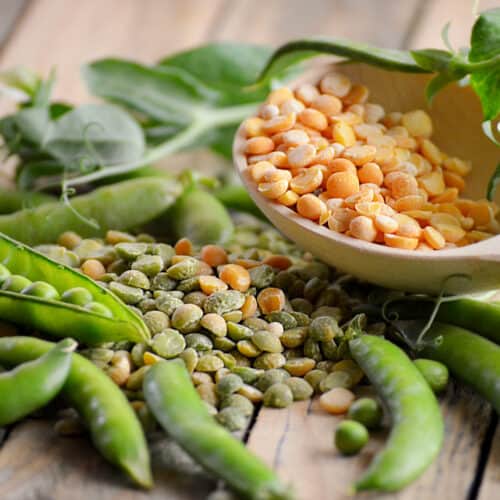
See more this vs that →